The conversation record and the customer record: why a business needs both
· 11 min read
One record proves what was said. The other tells you who you are talking to. Most small businesses keep neither, and those that keep one keep the wrong one.
Ask a small business owner what was said to a particular customer last Tuesday and you will usually get one of three answers. “Let me ask whoever took it.” “It’s on someone’s phone.” Or, most honestly, “I don’t know.”
None of these is unusual, and none of them is a technology problem in the first place. It is a record-keeping problem. A business that would never run without invoices, receipts and a bank statement will happily run its customer conversations with no record at all, even though those conversations are where prices are quoted, delivery dates promised, complaints made and refunds agreed.
This article is about the two records a business should keep about its customers, why they are different, and why each is close to useless without the other. It covers what the law expects when you record calls in the UK and Nigeria, at a level a business owner can act on, and it ends with a checklist for this week. It is not legal advice; take advice for your own situation.
Every word on the record
Start with the simplest version of the idea, shown below: conversations come in through different doors, and what was said ends up in one place that belongs to the business.
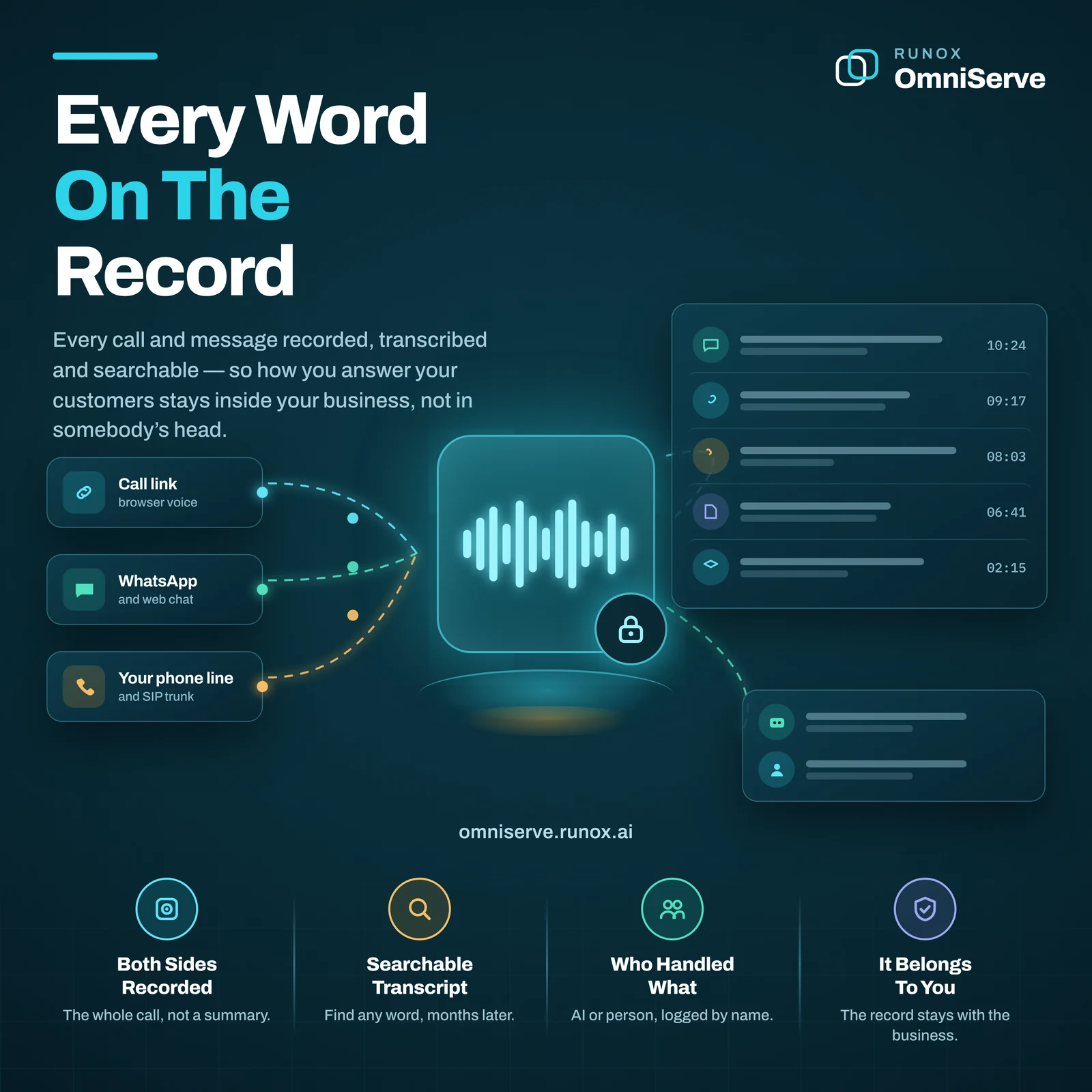 Figure 1: Three doors, one record. Notice the last of the four points along the bottom: “The record stays with the business.”
The line in the figure that matters most is the one about where the knowledge lives: inside your business, “not in somebody’s head”. In a small business, the most valuable customer knowledge is often in the head and on the handset of one long-serving employee. When that person is off sick, on leave or leaves, the knowledge goes with them.
The four points along the bottom are the properties of a good conversation record. Both sides are captured, not a note someone wrote afterwards. It can be searched. It shows who handled what, AI or person, by name. And it belongs to the business, not to the individual who happened to take the call.
One correction to the figure, which we make in the text because it matters for your legal position: OmniServe does not record every call by default. Call recording is off unless you switch it on, and it is a paid add-on. We explain below why that is the right default.
Two different things to keep
The phrase “customer records” is used loosely for two quite different things. The figure below separates them.
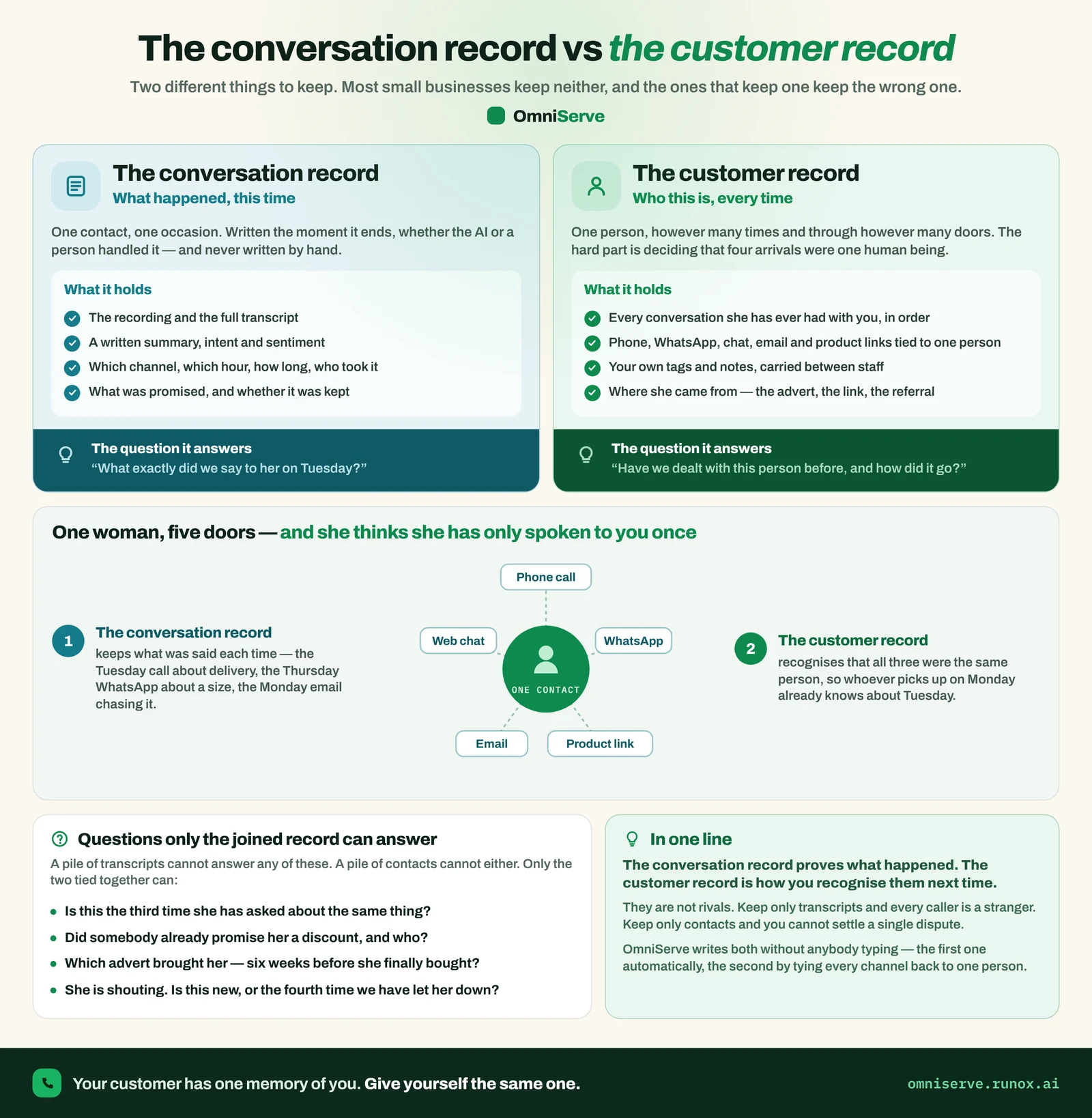 Figure 2: The conversation record and the customer record. Read the two “question it answers” bars: one is about Tuesday, the other is about the whole relationship.
The conversation record: what happened, this time
The conversation record is one contact on one occasion. It holds the recording (where you record) and the transcript, a written summary, which channel, which hour, how long, who took it, and what was promised.
The question it answers is: “What exactly did we say to her on Tuesday?” That is the question behind every dispute, every complaint escalation and every “but your colleague told me…”.
The figure makes a point that is easy to miss: this record should be written “the moment it ends, whether the AI or a person handled it, and never written by hand”. A record that depends on someone remembering to type a note at the end of a busy day will be incomplete exactly when it is needed most.
The customer record: who this is, every time
The customer record is one person, however many times and through however many doors they have contacted you. It holds every conversation with them in order, the different ways they have reached you tied to one person, your own tags and notes, and where they came from in the first place.
The question it answers is: “Have we dealt with this person before, and how did it go?”
The figure names the hard part directly: “deciding that four arrivals were one human being”. A customer who rings from her mobile, then sends a WhatsApp from the same number, then emails from her work address, then fills in a web chat with only her first name, looks like four strangers unless something ties them together.
One woman, five doors
The middle of the figure shows the problem from the customer’s side. She has spoken to you through a phone call, web chat, WhatsApp, email and a product link. In her mind she has had one conversation with your business. In most businesses’ systems she has had five, with five different people, none of whom can see the others.
So the conversation record keeps what was said each time: the Tuesday call about delivery, the Thursday WhatsApp about a size, the Monday email chasing it. The customer record recognises that all of these came from the same person, so whoever picks up on Monday already knows about Tuesday.
Questions only the joined record can answer
The lower left of Figure 2 lists four questions. A pile of transcripts cannot answer them, and neither can a contact list. Only the two together can.
- Is this the third time she has asked about the same thing?
- Did somebody already promise her a discount, and who?
- Which advert brought her, six weeks before she finally bought?
- She is shouting. Is this new, or the fourth time we have let her down?
The last question is the one that changes how a person on duty should respond. An angry first-time caller and an angry customer on her fourth broken promise need different handling. Without the joined record, your staff cannot tell which one they are talking to.
The figure’s summary is worth repeating: keep only transcripts and every caller is a stranger. Keep only contacts and you cannot settle a single dispute.
Answering and remembering are the same job
Most businesses buy these as separate systems: a phone system or chat tool to answer, and a CRM to remember. The next figure argues that this split is where the trouble starts.
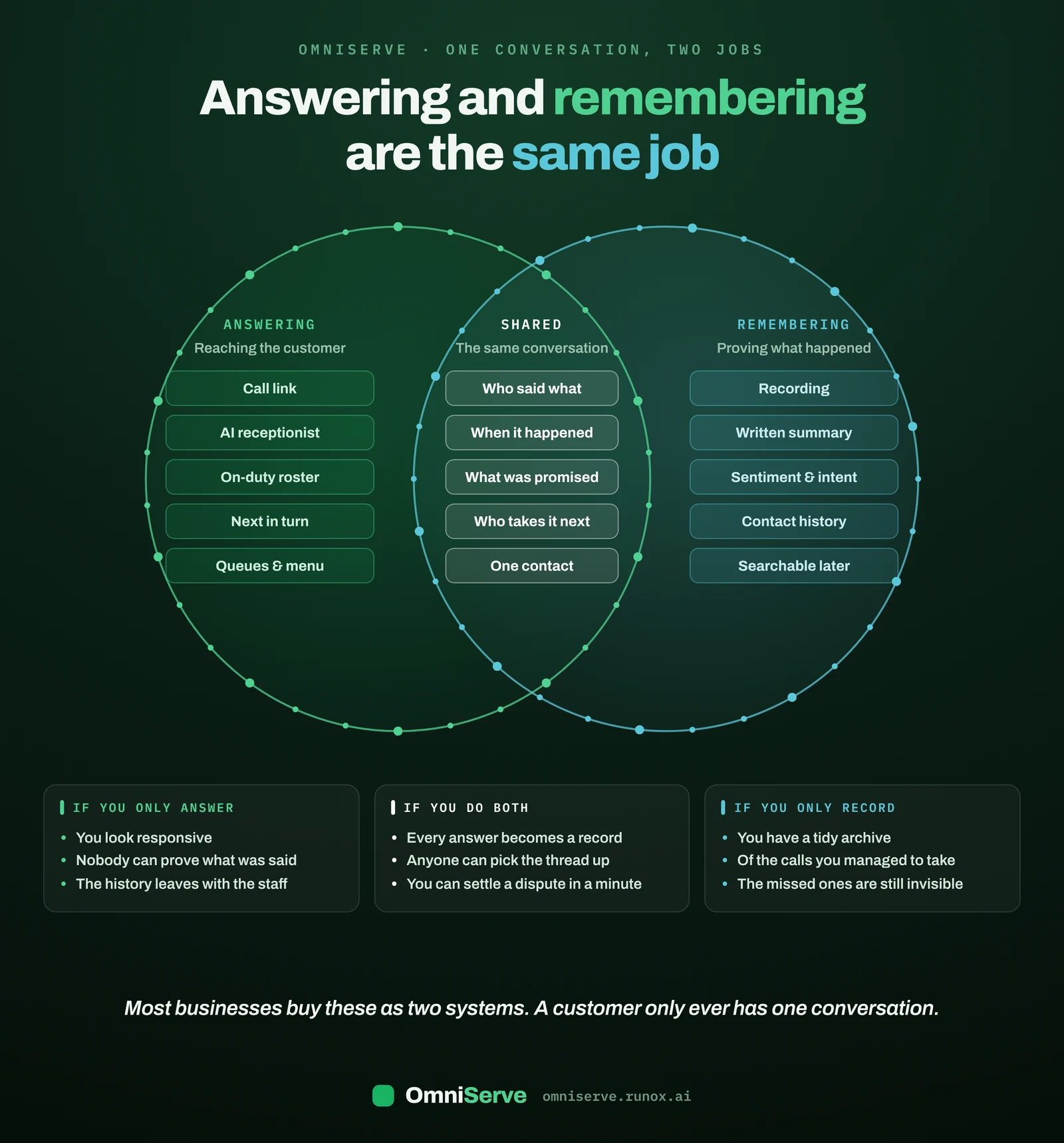 Figure 3: One conversation, two jobs. The middle of the diagram is the point: who said what, what was promised and who takes it next belong to both.
The three boxes at the bottom describe the outcomes.
If you only answer, you look responsive, but nobody can prove what was said, and the history leaves with the staff. This is the business with a fast WhatsApp reply from a personal phone.
If you only record, you have a tidy archive of the calls you managed to take. The missed ones are still invisible. This is the business with a call recorder bolted onto the phone system and nothing that tells it about the calls that rang out.
If you do both, every answer becomes a record, anyone can pick up the thread, and you can settle a dispute in a minute.
The caption at the bottom of the figure is the argument in one sentence: most businesses buy these as two systems, but a customer only ever has one conversation. When answering and remembering are separate systems, the join between them is usually a person copying information across, and that is the step that gets skipped.
A note on the left-hand circle: queues and the call menu are built and in testing in OmniServe as at October 2026, not yet live. The rest of the answering side is live.
From first ring to full record
The last figure shows what this looks like in practice: one flow, from the call arriving to the record being written, with the result visible on a single screen.
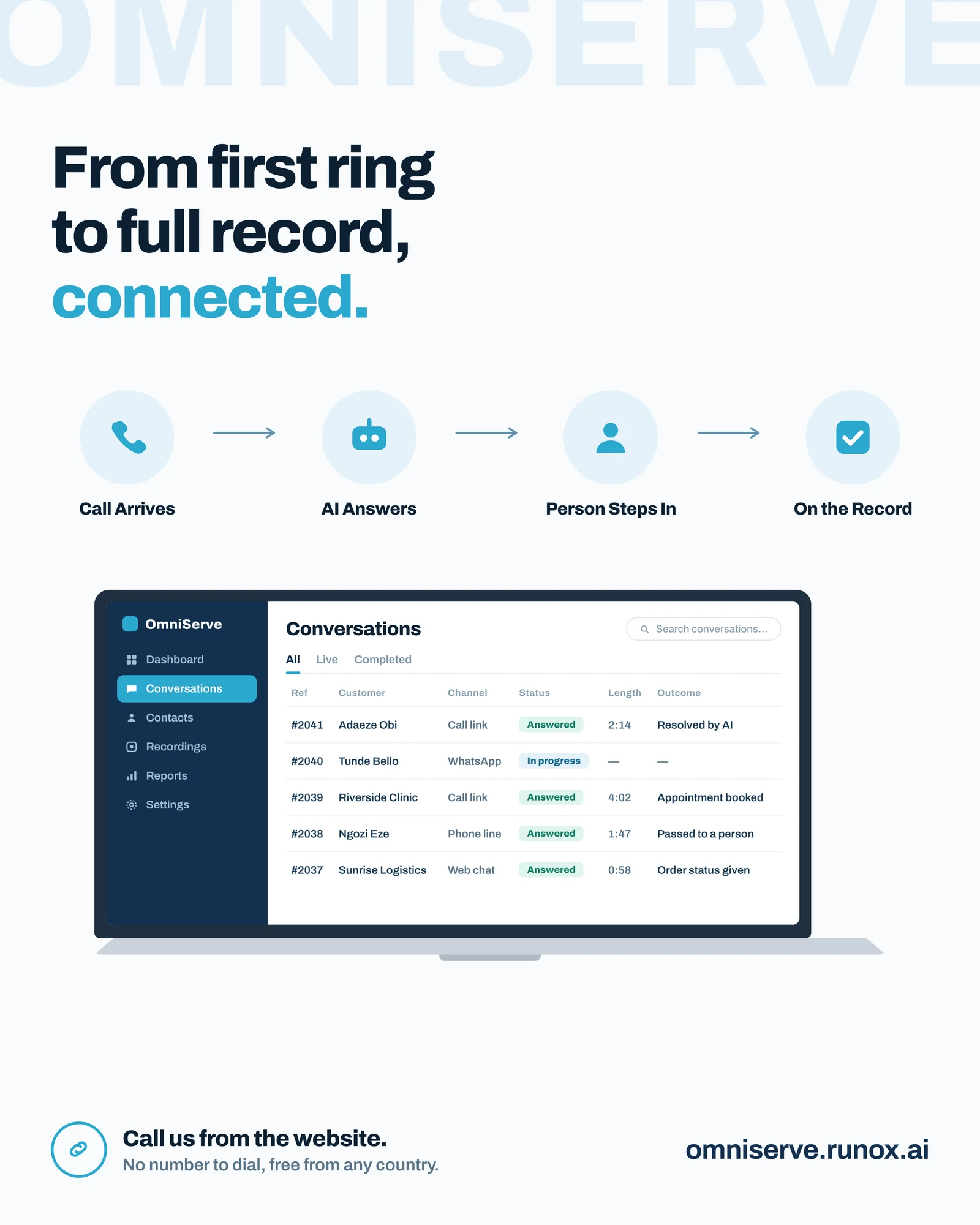 Figure 4: Four steps, one list. The names and figures on the screen are examples.
What to notice is the “Outcome” column. Each row does not just say a call happened; it says what came of it: resolved by the AI, appointment booked, passed to a person, order status given. That column turns a call log into something you can manage.
Notice also that the rows come through different channels (call link, WhatsApp, phone line, web chat) but sit in the same list. That is the conversation record and the customer record working together: one list of conversations, each tied to a contact.
What the law expects when you record
Recording conversations is useful. It is also processing personal data, and in the case of calls it can be interception of communications. The rules depend on where you are. What follows is a summary for business owners, as at October 2026, not legal advice.
United Kingdom
Two sets of rules apply.
The first is about interception. The Investigatory Powers (Interception by Businesses etc. for Monitoring and Record-keeping Purposes) Regulations 2018 allow a business to monitor or record communications on its own system for purposes relevant to its business, but regulation 4 sets conditions [1]. The interception must be solely to monitor or record communications relevant to the business’s activities. The system must be used wholly or partly for those activities. And the system controller must make “all reasonable efforts to inform every person who may use the telecommunication system” that their communications may be intercepted [1].
In plain terms: tell people. That means telling callers, and it means telling your own staff.
The second is data protection. The Information Commissioner’s Office guidance on monitoring workers says employers must identify a lawful basis for monitoring and document it; that consent is usually not appropriate for workers because of the imbalance of power; that workers must be told about monitoring in a way that is accessible and easy to understand; and that covert monitoring is only for very exceptional circumstances [2][3]. It expects a data protection impact assessment before high-risk monitoring, and it stresses proportionality: in the ICO’s words, “Just because a form of monitoring is available, does not mean it is the best way to achieve your aims” [3]. The ICO notes that this guidance is under review following the Data (Use and Access) Act 2025, so check the current version [2].
Nigeria
The Nigeria Data Protection Act 2023 was signed into law on 14 June 2023 and established the Nigeria Data Protection Commission, replacing the earlier Nigeria Data Protection Bureau [4]. Recording customer calls, keeping transcripts and building customer profiles are all processing of personal data under the Act, so the ordinary questions apply: what is your lawful basis, have you told people, how long will you keep it, and who else processes it on your behalf. Take advice on the detail for your business.
What this means in practice
Whichever country you are in, four habits keep you on the right side:
- Tell callers before anything else. If you record, the caller should hear it at the start.
- Tell your staff, in writing. Your people are on the other end of every recorded call.
- Keep it only as long as you need it. Set a retention period and let the system delete on schedule.
- Know where it is stored and who processes it. Ask your supplier, in writing, for your region.
This is why OmniServe’s defaults are the way they are. Call recording is off until you switch it on. When it is on, callers hear that the call is recorded before anything else, and recordings are deleted after the period you set: 30 days unless you choose less. Calls the AI answers are transcribed and callers are told so; transcripts are kept for 30, 90 or 365 days, or until you delete them, with 90 days as the default. We will tell you in writing where your data is stored for your region, and it is a fair question to ask any vendor.
A worked example (hypothetical)
A furniture shop with eight staff sells online and from a showroom. The customer, the dates and the amounts below are invented.
A customer orders a sofa. On a Tuesday she rings to ask about delivery and is told “next Friday”. On Thursday she sends a WhatsApp asking whether the sofa comes in a different size. On the following Monday she emails to ask why the sofa has not arrived, and says she was promised it for Friday.
Without either record, the person reading Monday’s email has no idea who said “Friday”, whether it was said at all, or that the same customer asked about a size change, which may be the reason the order was held. The shop either argues, which loses the customer, or gives in, which may cost money it did not owe.
With only transcripts, the Tuesday call exists somewhere, but nobody connects it to Monday’s email because they arrived on different channels with different identifiers.
With both, Monday’s email opens with her history attached: Tuesday’s call, where “next Friday” was said, and Thursday’s WhatsApp about a size change. The person on duty can see in a minute that the delivery date was given before the size query, and can explain plainly what happened and what happens next.
Do this this week
- Pick five recent customer disputes or complaints. For each, try to find what was actually said. Note how long it takes and whether you succeed.
- List where customer conversations live today. Office phone, mobiles, personal WhatsApp, email inboxes, website chat. Mark which ones the business can see if the employee is away.
- Choose a retention period. Decide how long you need recordings and transcripts, and write it down with the reason.
- Write the caller notice. One sentence that callers will hear if you record.
- Write the staff notice. Tell your team what is recorded, why, how long it is kept and who can see it.
- Check for duplicates. Look up your ten best customers in whatever system you use. Count how many appear more than once.
- Ask your suppliers where your data is stored. Get the answer in writing.
Where OmniServe fits
OmniServe keeps both records in one platform. Every call and chat gets an AI summary, and calls get sentiment and intent; email gets sentiment too. Contact history is kept across every channel, with your own tags, notes and fields, and duplicates can be found and merged. Recordings and transcripts are live, with recording as an add-on you switch on, retention you choose, and a caller notice that plays first.
As at October 2026, sentiment and intent on every chat is coming rather than live, and queues and the call menu are in testing. Our status page lists both.
Answer every customer, on every channel. See how OmniServe runs your front desk: omniserve.runox.ai
Sources
- legislation.gov.uk, “The Investigatory Powers (Interception by Businesses etc. for Monitoring and Record-keeping Purposes) Regulations 2018”, SI 2018/356, regulation 4. https://www.legislation.gov.uk/uksi/2018/356/regulation/4/made
- Information Commissioner’s Office, “Employment practices and data protection: monitoring workers”, accessed October 2026. https://ico.org.uk/for-organisations/uk-gdpr-guidance-and-resources/employment/monitoring-workers/
- Information Commissioner’s Office, “Data protection and monitoring workers”, accessed October 2026. https://ico.org.uk/for-organisations/uk-gdpr-guidance-and-resources/employment/monitoring-workers/data-protection-and-monitoring-workers/
- KPMG in Nigeria, “Nigeria Data Protection Act 2023 Review”, August 2023. https://kpmg.com/ng/en/home/insights/2023/08/nigeria-data-protection-act-2023-review.html
- OmniServe, “Questions: the things people ask before they buy”, October 2026. https://omniserve.runox.ai/site/faq
- OmniServe, “What’s running today, and what isn’t yet”, October 2026. https://omniserve.runox.ai/site/status